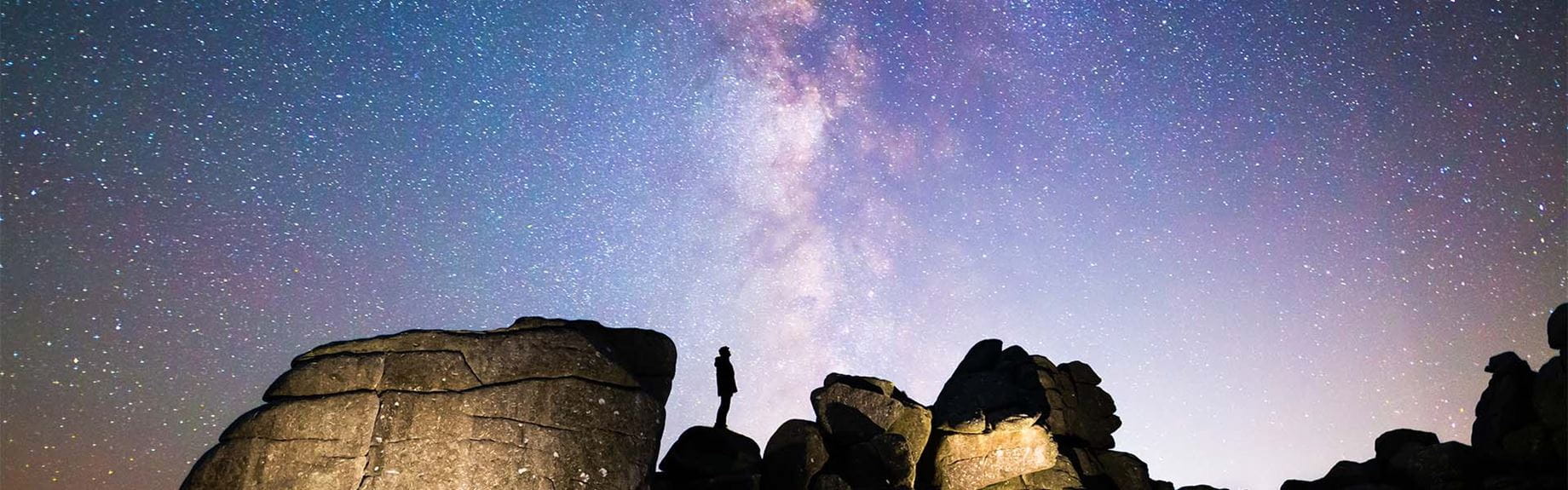
When it comes to finding the best places for stargazing in the UK, you don’t always need to venture into the wilderness. From remote countryside escapes to coastal hotspots where the night sky seems to go on forever, it’s much easier to get out under the stars than you’d think.
Whether you’re planning a cosy getaway or dreaming of an escape under star-filled skies, there are plenty of magical locations waiting to be discovered. Many of our holiday parks are located near recognised Dark Sky Parks and Dark Sky Landscapes. These areas are protected from light pollution, offering brighter stars, better visibility and unforgettable nights spent staring up at the cosmos.
Best dark sky locations near our holiday parks
Many of the UK’s most famous dark sky locations are within easy reach of our holiday parks, so stargazing is always an option at the end of a busy day.
Kielder Water & Forest Park, Northumberland
Stay at: Sandy Bay Holiday Park
Home to one of the largest protected dark sky areas in Europe, Kielder Water & Forest Park is one of the most impressive places for stargazing in the UK. With Gold Tier status for minimal light pollution and vast stretches of open countryside, the night sky comes alive with thousands of visible stars, bright constellations and even meteor showers.
Galloway Forest Park, Scotland
Stay at: Sundrum Castle Holiday Park
Galloway Forest Park was the UK’s first Gold Tier International Dark Sky Park and remains a celebrated stargazing destination. On clear evenings, exceptionally low light pollution reveals incredible views of the Milky Way in a magical forest setting, making it one of the best places for stargazing in Scotland.
Bodmin Moor, Cornwall
Stay at: St Minver or Looe Bay Holiday Park
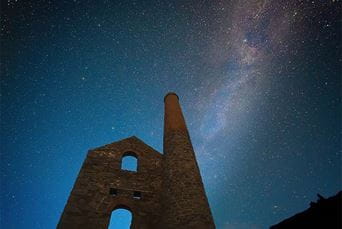
Bodmin Moor is one of southern England’s best stargazing spots. Its rugged moorland setting and elevated viewpoints create excellent conditions for viewing constellations, planets and galaxies in an International Dark Sky Landscape.
Coastal stargazing & seaside spots
Getting out to the coast is a great way to see the sky, where open horizons and lower levels of light pollution create excellent viewing conditions. Plenty of UK beaches are known stargazing destinations, thanks to their secluded location.
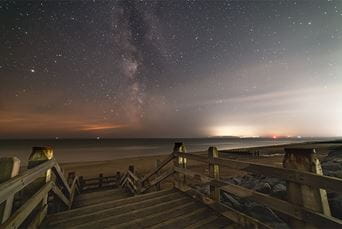
Camber Sands, East Sussex
Stay at: Camber Sands Holiday Park
With miles of open beach and expansive dune systems, Camber Sands offers fantastic views of the night sky. The wide horizon means your view is almost unobstructed, so it’s an ideal place to watch an endless starry sky. Before heading to the beach, check the tides to make sure you have plenty of space for stargazing.
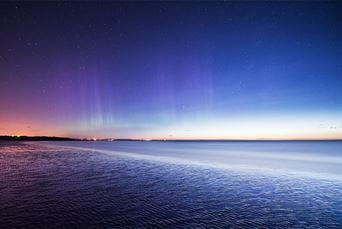
Druridge Bay, Northumberland
Stay at: Cresswell Towers Holiday Park
Stretching for seven miles along Northumberland’s coastline, Druridge Bay is a wide, sandy beach and a Dark Sky Discovery Site. There’s excellent visibility on clear evenings, and the calm waters create a unique mirror-like effect for one of the most unforgettable stargazing experiences in the UK.
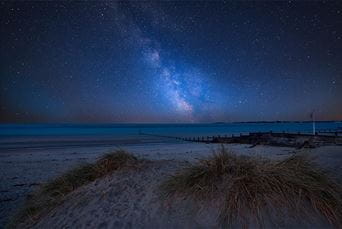
Hengistbury Head Beach, Dorset
Stay at: Sandford Holiday Park
This beautiful stretch of Dorset coastline offers sweeping views across Christchurch Bay and plenty of space to enjoy the stars. Away from the brighter lights of nearby towns, Hengistbury Head is a darker coastal setting where the Pole Star is visible year-round.
Best time for stargazing in the UK
Stargazing happens all year round, but late autumn and winter are generally considered the best seasons. Longer hours of darkness, crisp, clear air and more chances of meteor showers make stargazing an exciting activity for the winter months. Plus, darkness falls early enough for families to stargaze without upsetting bedtime routines.
Planning a seasonal escape? Our autumn breaks are perfect for crisp walks, cosy evenings and nights spent spotting constellations overhead.
Stargazing tips for beginners
You don’t need expensive telescopes or equipment to enjoy stargazing. Some of the best nights happen with a clear sky, a flask of hot chocolate and a bit of curiosity.
If you’re new to stargazing, here are our tips for your first time:
- Check the forecast. Clear skies make a huge difference, so make sure there are no clouds before you head out.
- Choose a dark location. The further away you are from streetlights and towns, the easier it is to see the stars.
- Pack for comfort. Warm clothing, a blanket and a hot drink can make all the difference during colder months.
- Bring your binoculars. You can see the night sky clearly with your naked eye, but binoculars can help you see further away and are easy to carry.
- Give your eyes time to adjust. Once you’ve arrived at your stargazing spot, it can take up to 20 minutes for your eyes to adjust to the stars in the sky.
- Use a stargazing app. Identify planets, constellations and satellites in real time with a helping hand from your phone.
FAQs
What are the best places for stargazing in the UK?
Many locations in the UK have Dark Sky status, where minimal light pollution makes the stars easier to see. Remote countryside and coastlines are some of the best places to stargaze, and these can be found up and down the UK – from Scotland and Northumberland to the Dorset coast.
Do I need a telescope for stargazing?
No, you don’t need any equipment for stargazing. Many stars, planets and meteor showers are visible to the naked eye. Some people may take binoculars to see a bit further, but no equipment is required.
What time should you start stargazing?
For the best experience, aim to head out once the sky is fully dark (about 2 hours after sunset) and give your eyes 20 minutes to adjust. During autumn and winter, this often means you can enjoy fantastic stargazing without staying up late.